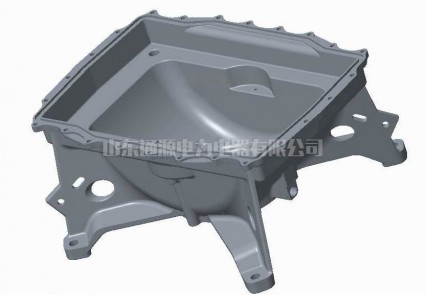


1. Installation Procedures and Precautions for Capsule-Type Oil Storage Tanks. First, remove the capsule and check for any damage or air leaks; clean the inside of the oil storage tank thoroughly. Install the oil level gauge, ensuring that the gasket in the base is properly placed before tightening the securing nuts; then install the cabinet feet. During installation, pay attention to the following points.
After installation, venting must be performed to prevent residual air inside the tank, which could create a false oil level. During the oil replenishment stage, open the vent hole on the oil storage tank and continue to fill oil from the lower section of the oil tank valve until oil overflows from the vent hole, indicating all air has been expelled. Seal the vent hole tightly and allow the tank to sit for 2–3 hours, then open the drain valve at the bottom of the transformer oil tank to release excess oil. This ensures the tank is under negative pressure, keeping the capsule in its normal expanded state.
When performing vacuum oil filling on the transformer, disconnect the connecting pipe to prevent damage to the tank and capsule during the vacuum operation.
2. Installation Procedures and Precautions for Diaphragm-Type Oil Storage Tanks. Before installation, check that the diaphragm is clean and free from damage or cracks. After passing inspection, install it in the tank, tighten the vent plug, and connect the butterfly valve to the gas relay to pressurize with gas to 19.6 kPa for 30 minutes, ensuring no gas leaks. Insert the magnetic oil level gauge, weld it in place, and wire out high and low oil level alarm signals according to the circuit diagram. After the transformer vacuum oil filling is completed, open the vent plug on the diaphragm to allow any overflow oil to escape, then connect the linkage to the diaphragm according to specifications.
Since there are many specifications for both capsule-type and diaphragm-type oil storage tanks, even for the same specification and model, differences in manufacturers may result in structural variations and tolerance requirements. During specific installation and commissioning, the general procedure should follow the above regulations while also complying with the installation requirements of each manufacturer.